 Balanced Health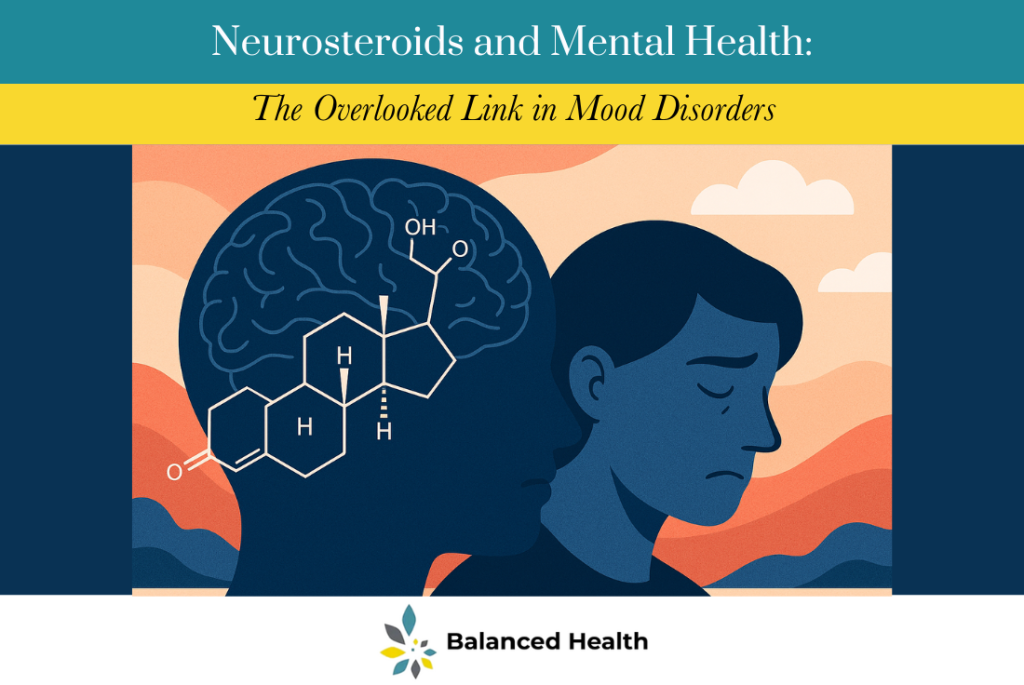
Balanced Health
1819 Union St, San Francisco, CA 94123
📞 (415) 915-5454 | 🌐balancedhealthsf.com
Mood disorders such as depression, anxiety, and bipolar disorder are often treated with neurotransmitter-targeting medications like SSRIs or mood stabilizers. However, emerging research reveals a deeper, often overlooked layer of neurobiology—neurosteroids, which may play a critical role in mental health. At Balanced Health, we believe understanding the neuroendocrine system and hormone-brain connection is essential for providing more comprehensive, personalized care for individuals struggling with mood and cognitive challenges.
In this blog post, we explore the fascinating world of neurosteroids, their influence on brain chemistry, and how personalized interventions targeting these powerful compounds can transform mental health outcomes.
🧠 What Are Neurosteroids?
Neurosteroids are steroid hormones synthesized in the brain and nervous system from cholesterol or steroidal precursors like progesterone, DHEA, and pregnenolone. Unlike peripheral hormones such as cortisol or estrogen, neurosteroids act locally in the brain to modulate mood, cognition, and emotional resilience.
Key Neurosteroids Include:
- Allopregnanolone – Derived from progesterone, has calming, anti-anxiety effects.
- DHEA (Dehydroepiandrosterone) – Supports energy, motivation, and mood stability.
- Pregnenolone – Known as the “mother of all steroid hormones,” enhances memory and stress tolerance.
These neurosteroids primarily influence GABA, NMDA, and dopaminergic signaling pathways, all of which are key regulators of mental health.
🔄 Neuroendocrine Dysregulation and Mood Disorders
When the production or metabolism of neurosteroids is disrupted, it can lead to symptoms commonly seen in mood disorders:
- Low pregnenolone: Cognitive fog, poor memory, fatigue
- Low DHEA: Depressed mood, low motivation, burnout
- Low allopregnanolone: Heightened anxiety, sleep issues, emotional reactivity
This dysregulation may be due to chronic stress, inflammation, trauma, hormonal shifts (e.g., perimenopause), or genetic factors. In conditions like postpartum depression, PMDD, and treatment-resistant depression, low allopregnanolone levels have been consistently observed.
🧬 The Functional Approach at Balanced Health
At Balanced Health, we specialize in identifying and addressing neuroendocrine imbalances through a precision medicine approach. This includes:
- Salivary & serum hormone testing (including neurosteroid levels)
- Genetic panels (to assess SNPs in hormone metabolism and receptor sensitivity)
- Functional brain assessments
- Lifestyle and nutritional interventions
- Bioidentical hormone therapy, when appropriate
Our goal is to uncover the root cause—not just manage symptoms.
💡 Comprehensive Q&A: Neurosteroids and Mental Health
Q: How are neurosteroids different from other hormones like estrogen or testosterone?
A: Neurosteroids are synthesized in the brain and have direct effects on neural function. While systemic hormones like estrogen or testosterone influence the whole body, neurosteroids modulate specific brain circuits involved in emotion, cognition, and stress response.
Q: Can low neurosteroids be tested?
A: Yes. At Balanced Health, we utilize advanced lab testing—including salivary and serum panels—to evaluate levels of key neurosteroids such as pregnenolone, DHEA, and allopregnanolone. These tests provide insight into your neuroendocrine balance and help us create targeted treatment plans.
Q: Are neurosteroid imbalances treatable?
A: Absolutely. Neurosteroid levels can be improved through:
- Bioidentical hormone therapy
- Targeted nutraceuticals (e.g., phosphatidylserine, adaptogens, magnesium)
- Anti-inflammatory diets
- Mind-body therapies like meditation and neurofeedback
Q: Can addressing neurosteroids help if medications haven’t worked?
A: Yes. Many patients with treatment-resistant depression or anxiety find relief when underlying neurosteroid imbalances are corrected. In fact, the FDA has approved a synthetic version of allopregnanolone (brexanolone) specifically for postpartum depression—highlighting the critical role these hormones play in mood.
Q: What conditions are linked to neurosteroid imbalances?
A: Neurosteroid dysregulation has been associated with:
- Major Depressive Disorder
- Anxiety and Panic Disorders
- PTSD
- Bipolar Disorder
- ADHD
- Menopausal and postpartum mood shifts
- Chronic fatigue and fibromyalgia
🌿 Your Next Step Toward Balanced Brain Health
If you’ve been struggling with persistent mood changes, anxiety, or cognitive fog and feel like something deeper may be going on—you’re not alone, and there is hope. At Balanced Health, we are passionate about connecting the dots between your hormones, brain, and overall well-being.
By exploring the neuroendocrine root causes of mental health symptoms, we offer a new pathway to healing—one that is personalized, data-driven, and grounded in clinical insight.
📍 Contact Balanced Health
Balanced Health
1819 Union St
San Francisco, CA 94123
📞 (415) 915-5454
🌐 balancedhealthsf.com
Let us help you reclaim your mental clarity and emotional vitality through precision neuroendocrine care.
Call or visit our website today to schedule your personalized consultation.